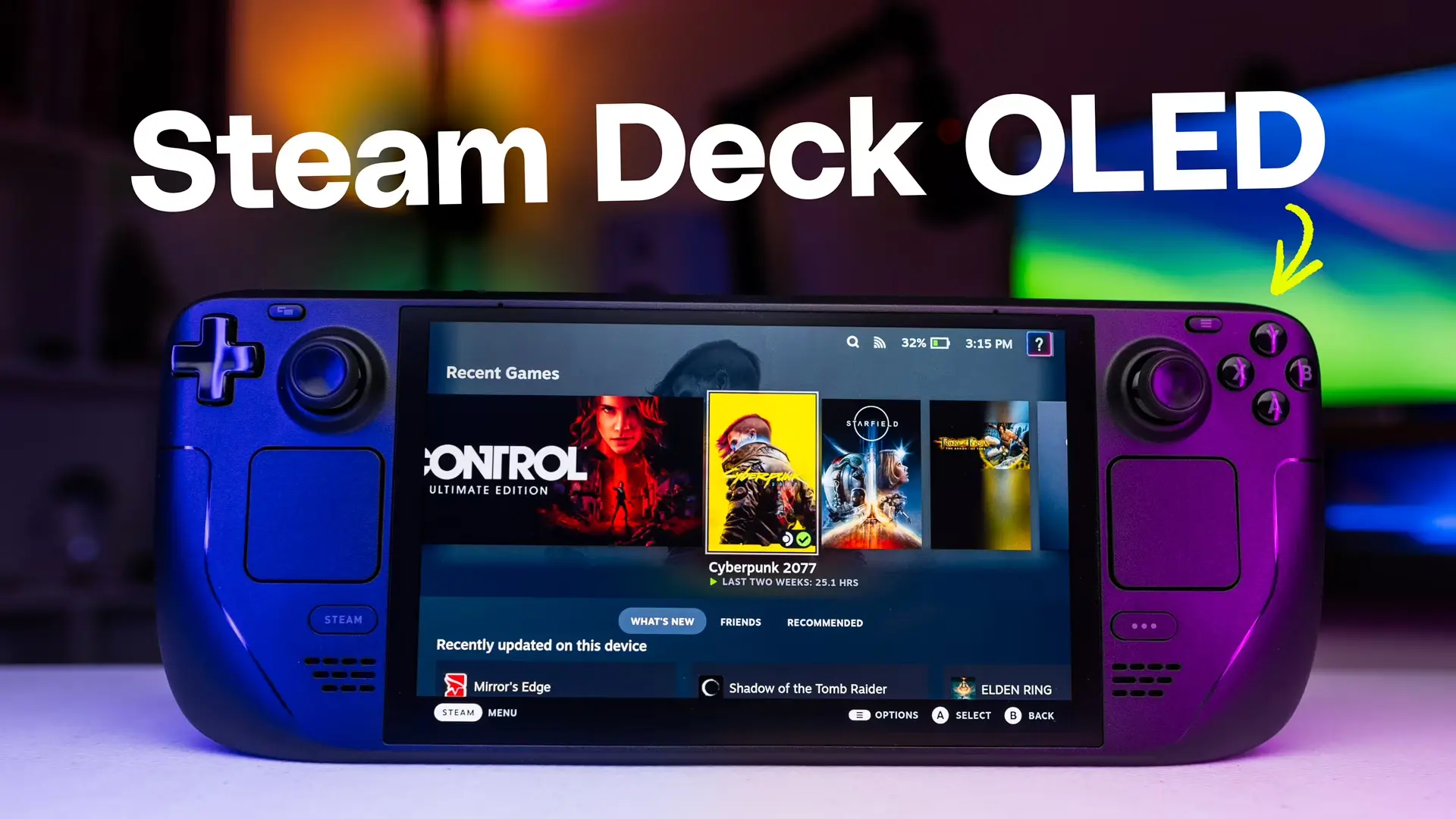
SteamDeckOLEDPriceHike:300 Jump, Sold Out in 24 Hours
A gaming handheld that's been on the market for two and a half years. No hardware refresh. No spec bump. No new features.
And Valve just raised the price by nearly 50%.
Here's the part that sounds like a typo: it sold out in North America in less than 24 hours.
Yeah. You read that right.
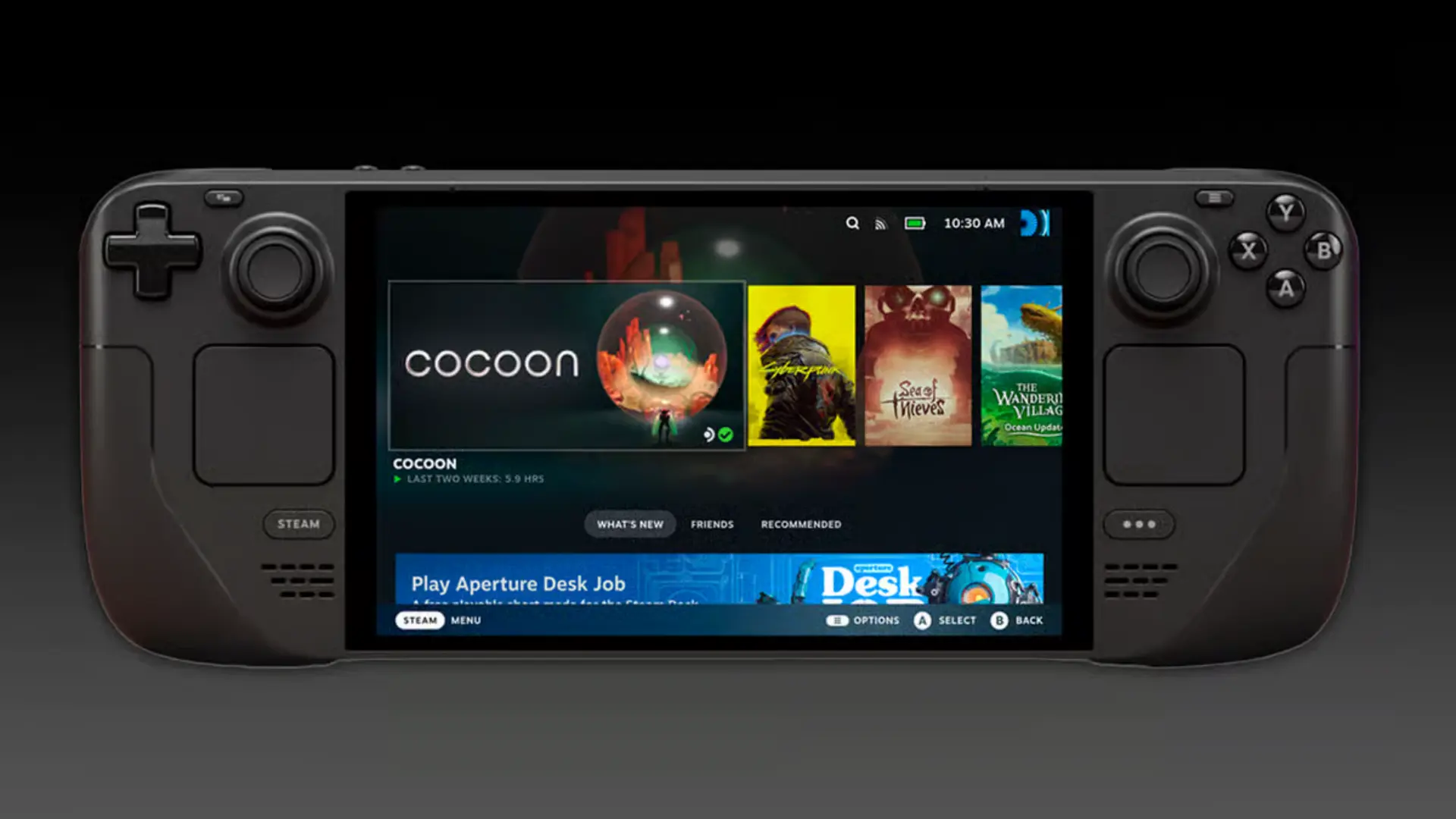
Scroll Through Reddit Right Now and You'll Find a Meltdown
The day Valve flipped the switch, the gaming forums lost their collective mind.
"Wait — this thing launched in 2023. How is it $300 more expensive now?"
"Valve has completely lost the plot."
"RIP the Steam Deck's one real advantage."
And then, almost immediately, from a different corner of the same threads: "Ordered. Not risking another six months of waiting."
That's the paradox. Fury and FOMO. Same device, same day, same threads. A 46% hike on hardware that's been around since 2023 — and the buy button still got flattened.
I cover gaming hardware. Have for years. I was writing about handhelds back when the category was basically "a Switch and some hopeful Kickstarter campaigns." So trust me when I say: this isn't just a story about one price increase. This is the moment the entire gaming hardware playbook got set on fire — and nobody handed out the new rulebook.
The Numbers, Because They're Kind of Insane
Let's get the receipts on the table.
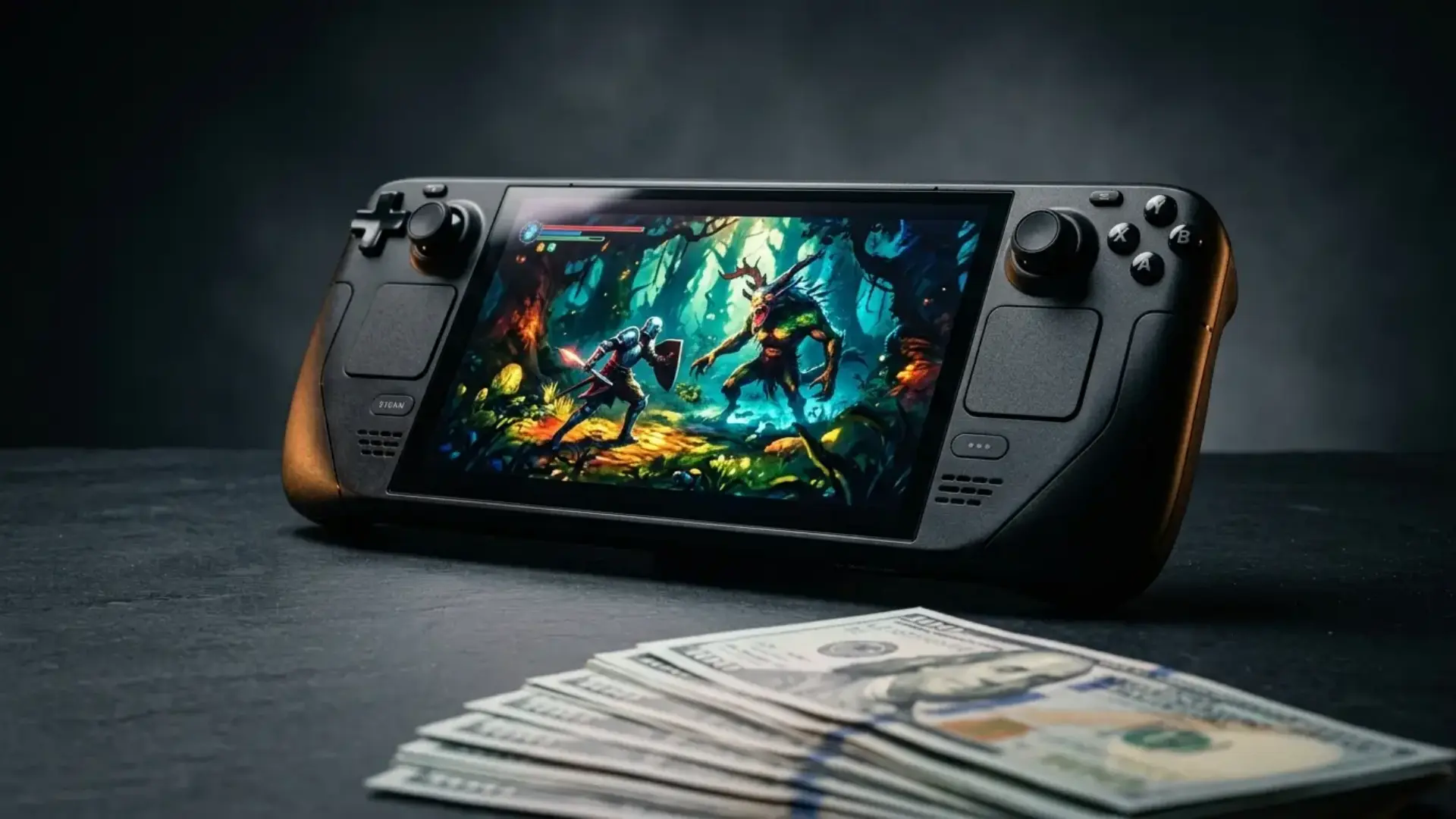
According to Valve's official store update on May 27, 2026, the Steam Deck OLED lineup now costs:
| Model | Launch Price (Nov 2023) | New Price (May 2026) | Increase |
|---|---|---|---|
| 512GB OLED | $549 | $789 | +$240 (43.7%) |
| 1TB OLED | $649 | $949 | +$300 (46.2%) |
The 1TB model is now staring down the $1,000 mark. For a handheld. In 2026. That's PS5 Pro money. That's "buy a decent gaming laptop" money.
Normally, this is where the price history of consumer electronics kicks in and does its thing. Older hardware gets cheaper. Components mature. Supply chains stabilize. Moore's Law does its slow, steady work, and you get to pick up last year's hotness at a discount.
Not this time.
The Steam Deck OLED launched in November 2023. When it hit the two-and-a-half-year mark, instead of a clearance sale, it got the single biggest price increase of any gaming hardware product this generation. The old rules didn't just bend. They snapped.
And then it sold out. In under 24 hours.
Ars Technica tracked the stock in real time. By the morning of May 28, both US and Canadian storefronts showed "Out of Stock." At the same time, the device rocketed to the top of Steam's best-seller chart — a chart ranked by total revenue over 24 hours, not unit volume. A 789pieceofhardwarebeating70 games on a revenue-weighted leaderboard tells you exactly how much money moved through Valve's storefront that day.
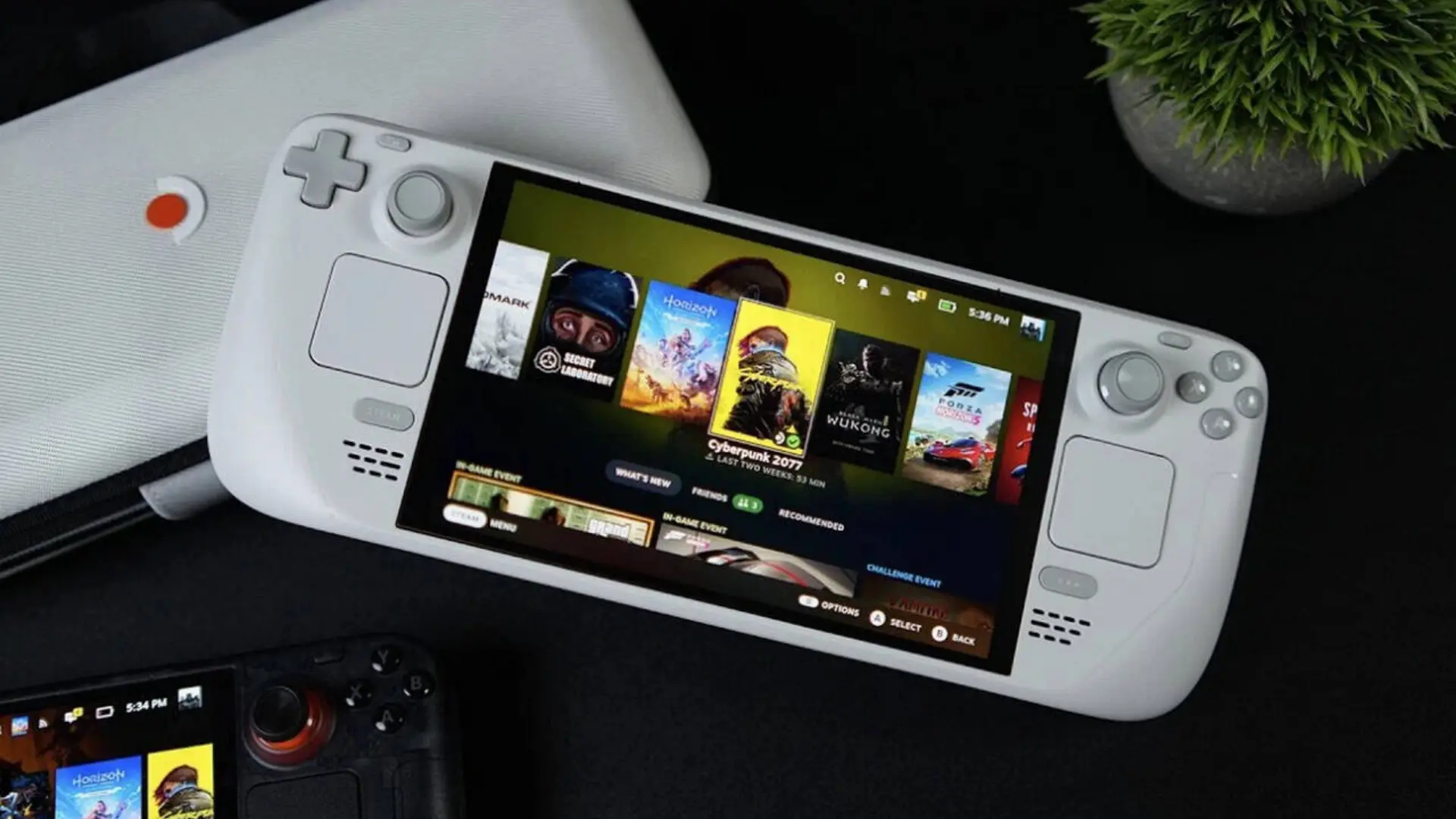
Nobody Bought This Because They Were Happy About the Price
Look, if your read on this is "irrational panic-buying" — you're only half right. And you're missing the part that actually explains what happened.
The Steam Deck had been nearly impossible to buy for months. Long before the price hike ever landed.
February 2026. Valve quietly slipped a notice onto the Steam Deck store page: "Due to memory and storage shortages, Steam Deck may be intermittently out of stock in certain regions." That was the canary. By spring, restock windows were measured in hours. Sometimes less. Stock trackers showed the OLED models flickering in and out of availability like a dying bulb. The dry spell stretched two months, then three, then five — depending on your region and your luck.
Two to five months of people hitting refresh on a store page. Two to five months of "maybe next batch." Two to five months of watching the eBay markup creep higher and higher.
By the time Valve finally restocked - with the bigger pricetag attached - the dam broke. The anxiety wasn't whether 789 wasa fairdeal. Itwaswhetherwaitinganotherweekmeant 889. Or $989. Or "out of stock" for another quarter.
And the analysts covering the memory sector? They're not sugarcoating this. DRAM and NAND supply is not recovering quickly. Prices are not sliding back down. The window to buy at any price has been narrowing all year, and a lot of people decided it wasn't getting wider.
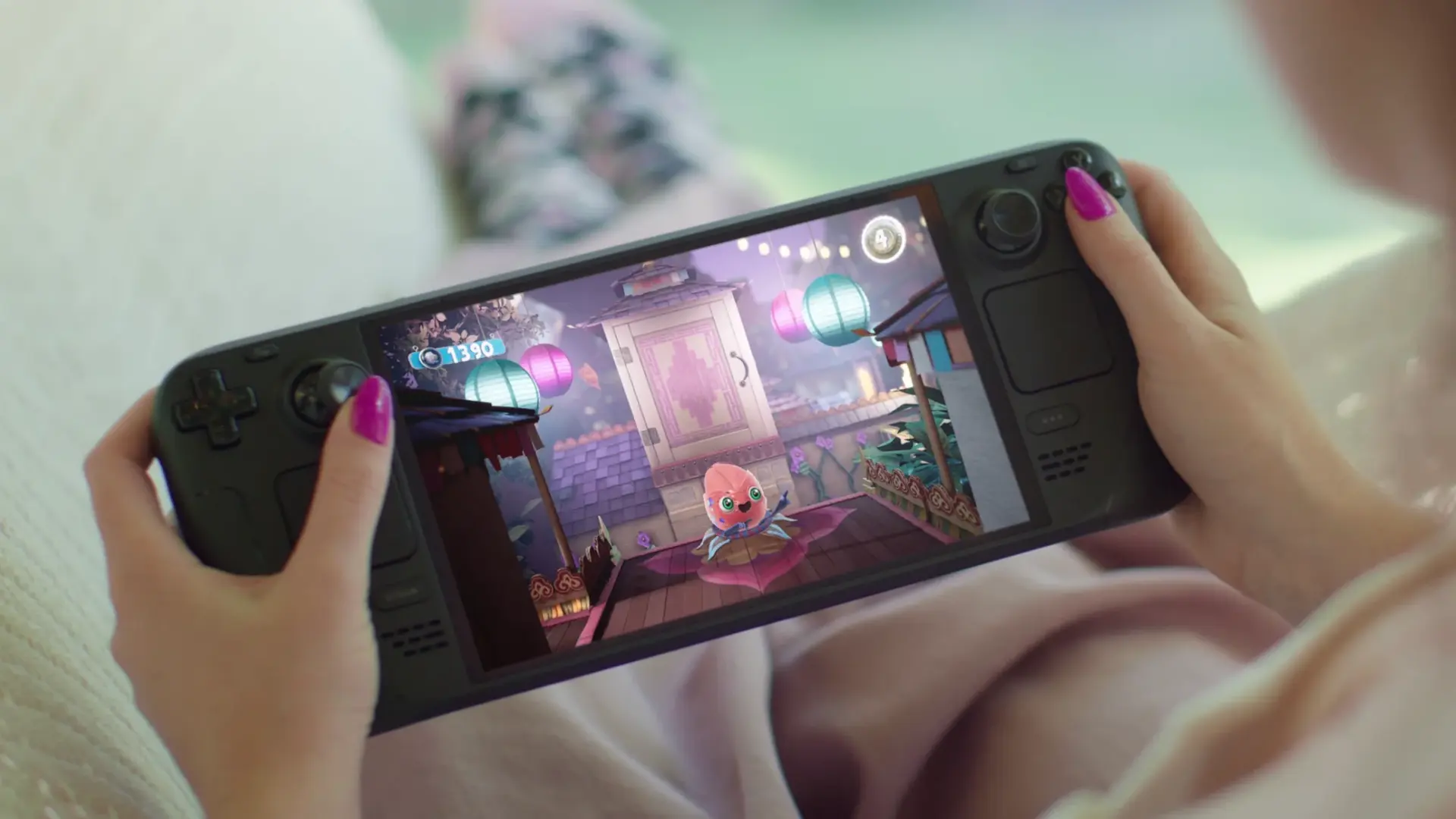
This Isn't Valve Being Greedy. This Is an Entire Industry Getting Body-Slammed.
The knee-jerk reaction — and I saw plenty of it — is that Valve got greedy. Jack up the price on inelastic demand, print money, move on.
Valve's official statement tells a different story. The company attributed the hike directly to "rising memory and storage costs" and explicitly noted that "the hardware specifications of the device itself have not changed."
Translation: we didn't want to do this. Our suppliers raised their prices. We either pass it on or bleed cash on every unit.
What's raising those supplier prices? An answer so simple it sounds like a punchline: AI.
Since the second half of 2025, the global DRAM and NAND flash supply chain has been getting systematically cannibalized by AI infrastructure demand. Every hyperscaler building out data centers for training and inference is ordering server-grade memory at a scale that makes consumer electronics look like a rounding error. The foundries can only make so many chips. When enterprise customers with near-unlimited budgets show up, consumer-grade allocation gets squeezed.
TrendForce, the semiconductor industry's go-to research firm, reported that conventional DRAM contract prices rose 55 to 60 percent in Q1 2026 alone. NAND flash contract prices climbed 33 to 38 percent over the same period. Counterpoint Research tracked quarter-over-quarter memory price surges of 80 to 90 percent from Q4 2025 into Q1 2026. These are not normal numbers. These are supply-crisis numbers.
Valve saw this coming. In February 2026, the company officially delayed its next-generation Steam Deck successor, citing DRAM market volatility as the primary reason. They weren't the only ones reading the writing on the wall.
Sony raised PS5 and PS5 Pro prices globally by roughly 20 percent starting April 2, 2026 — a move the company attributed to "ongoing global economic pressures." Microsoft bumped Xbox Series X and Series S prices by 20to70 in the US market back in October 2025. Nintendo announced in May 2026 that Switch 2 pricing would increase by ¥10,000 in Japan, $50 in the US, and €30 in Europe — a particularly painful move for a console still early in its lifecycle, where higher prices directly suppress adoption rates.
Zhang Shule, a veteran gaming industry analyst, told China Business Journal that in his memory, "there has almost never been a situation where game consoles raised prices collectively." The industry's entire business model — sell hardware at or below cost, make money on software and platform royalties — depends on keeping the entry price low enough to build an install base. When even that math stops working, something fundamental has shifted.
TrendForce warned that memory costs now account for over 35 percent of Sony and Microsoft's hardware bill of materials, and 21 to 23 percent for Nintendo. If memory supply and pricing don't stabilize, the firm cautioned, "the console market's growth may stagnate." The traditional playbook of cutting hardware prices mid-cycle to stimulate demand? That lever is effectively broken.
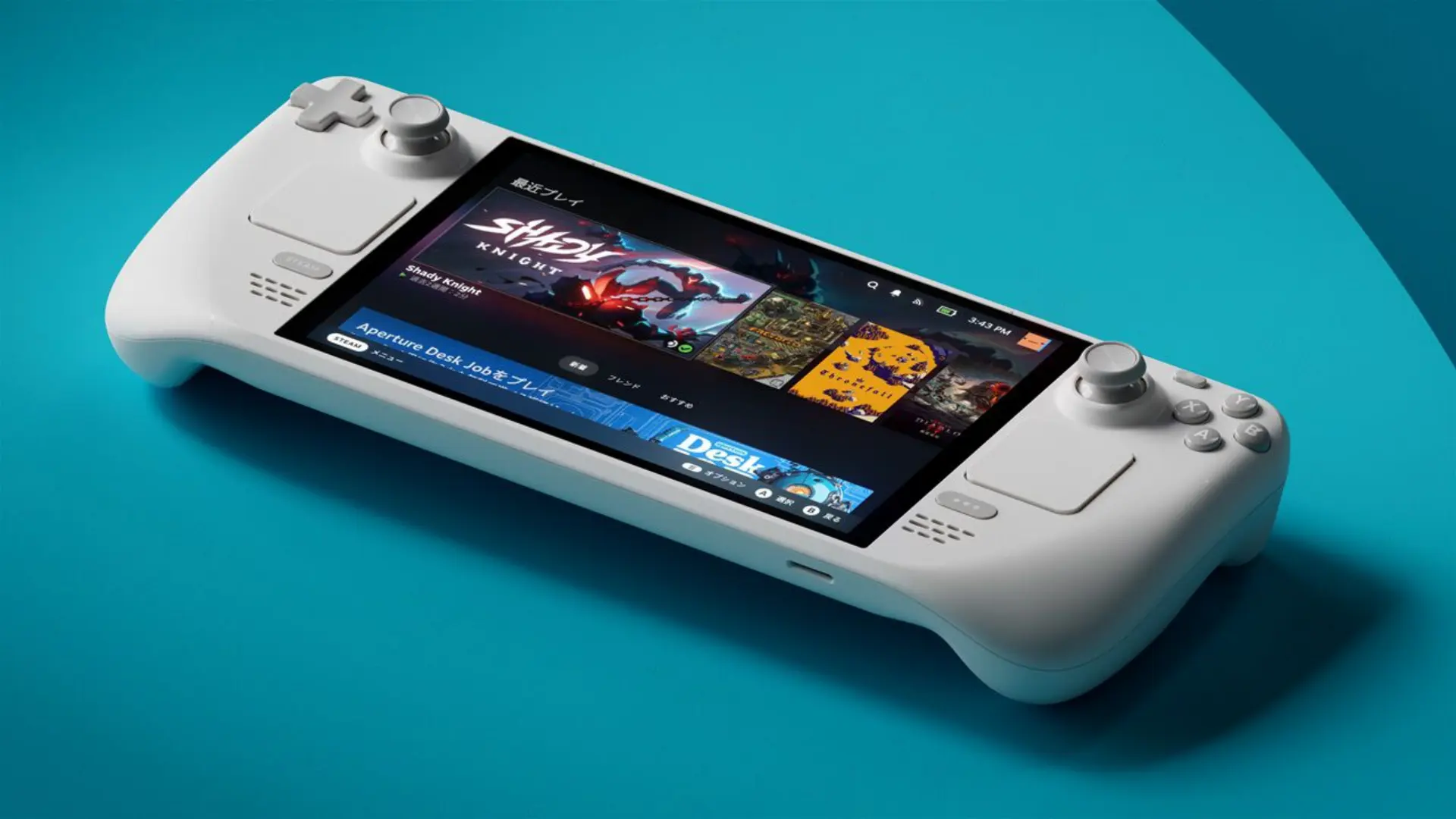
So Is It Still Worth $789?
Let's be real: the price hike gut-punched the Steam Deck's single strongest selling point.
It was never the fastest handheld. It was the best deal. The AMD silicon inside it — capable silicon, I'm not knocking it — gets out-benched by competitors on raw raster numbers. The display doesn't have the highest refresh rate in the segment. The battery life won't set any records.
But spec sheets are liars. Or at least, they don't tell you the thing that actually determines whether you enjoy using a device every day.
What made the Steam Deck work — what made it sell out at 789thesamewayitsoldat549 — is the software layer. You pick it up. You sign into Steam. Your library is just there. Every verified game launches. No driver roulette. No launcher spaghetti. No spending an evening on ProtonDB before you can play the damn thing you paid for.
There's a lock-in effect here that borders on unfair. Players on Reddit describe it in the same language every time: you turn it on, the friction evaporates. That seamlessness is worth real money to anyone who's done the alternative — fought with Windows on a handheld, mapped controls manually, troubleshooted sleep-resume bugs, managed separate game launchers for every publisher that decided they need their own storefront. It's exhausting. And the Deck just... doesn't do any of that.
Does that justify $789? If you've got hundreds of games in your Steam library and zero interest in becoming a part-time sysadmin for your handheld — probably yes. The headache tax of switching ecosystems is real.
If you're cross-shopping your first handheld? Tougher call. The Lenovo Legion Go S runs SteamOS too, but its price has climbed alongside everything else. The ASUS ROG Ally X runs Windows, hangs around its original 800to1,000 MSRP, and has community guides for installing SteamOS if you're willing to tinker. Neither is a clean substitute for the Deck. But the landscape has shifted enough that blind brand loyalty doesn't make sense anymore.
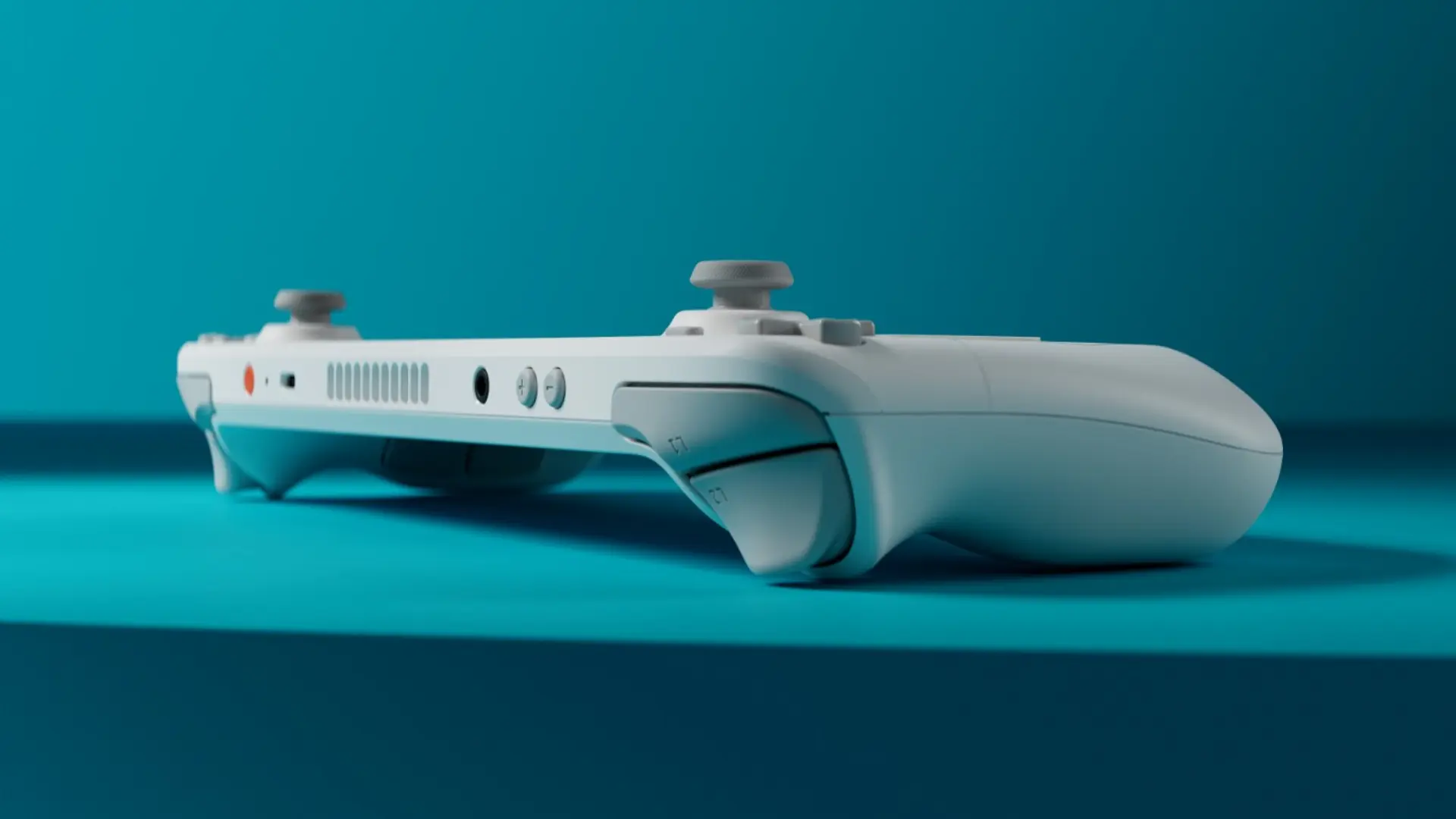
If You're on the Fence Right Now
Here's the part nobody wants to hear: the price is not coming down soon. Maybe not at all this year.
TrendForce's latest outlook has DRAM and NAND supply tightness grinding through the second half of 2026, with the possibility of another round of price hikes in Q2. The AI demand vacuum isn't letting up. Consumer hardware allocations aren't getting prioritized. The pressure is still building, not releasing.
I get the hesitation. 789isrealmoney.949 for the 1TB version is "I could buy a decent gaming laptop" money. But the component cost trajectory right now points in one direction. And the people who set those prices aren't waiting for gamers to feel comfortable about it.
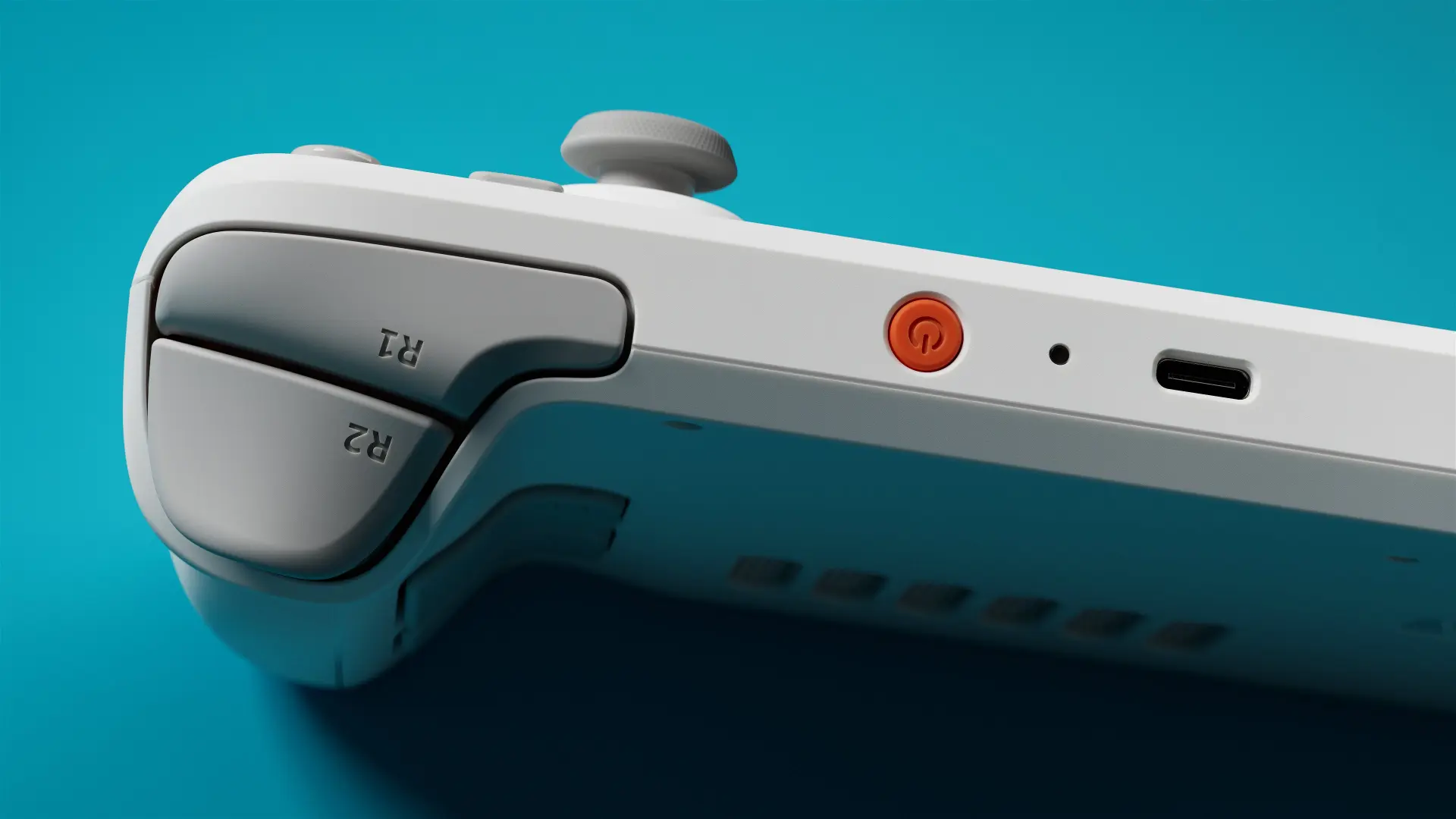
A few things you can actually do:
Refurbished units. Valve's official refurbished LCD Steam Decks weren't touched by the price hike. The refurbished OLEDs are pricier than they used to be, but they can still dip below the new MSRP if you catch a restock. Worth setting up a stock alert.
Look outside North America. Valve's Asian distribution through Komodo has been more stable than US and Canada storefronts. If you can route a purchase through those channels, the availability picture is significantly less grim.
eBay. New and used Steam Decks — OLED and LCD both — are still showing up at or below Valve's current retail. The window is small and it moves fast, but it's there.
The alternatives. Legion Go S. ROG Ally X. Both are actually in stock. Both have compromises. But the era of "Steam Deck or nothing" ended a while ago, and pretending otherwise costs you money.
The "Just Wait for a Sale" Era Is Over
When I got into covering gaming hardware, the rules were simple. Launch prices were aspirational. Six months: a bundle. A year: a price cut. Two years in? Thirty to forty percent off, easy. You'd laugh at the people who paid full freight on day one.
That playbook is dead.
Steam Deck OLED. Launched November 2023 at 549.Twoandahalfyearslater:789. Sold out in 24 hours.
PS5. Launched November 2020 at $499. Six years in: got a price increase.
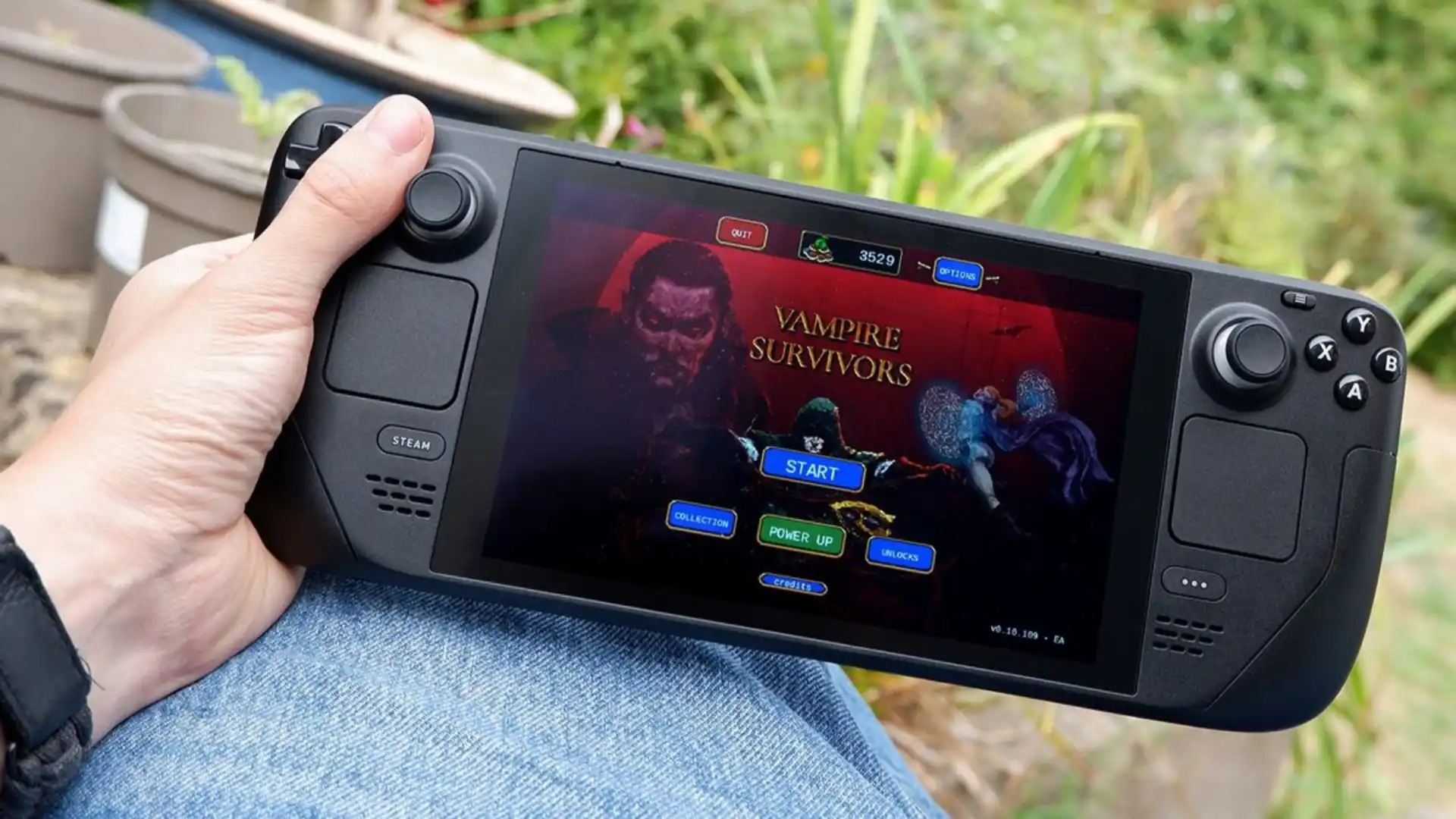
Switch 2. Brand new hardware. Already announcing price hikes in year one.
These aren't outliers. They're the new normal. The cost floor for gaming hardware — the absolute minimum price that silicon, memory, storage, and assembly add up to — is being pulled upward by forces that have nothing to do with gaming. AI infrastructure spending is rewriting the economics of every product that needs a DRAM chip, and nobody in the gaming supply chain gets a hall pass.
If you know you're going to buy something eventually, and every component inside it is getting more expensive by the quarter — waiting for a discount is, at this point, betting on a supply recovery the data says isn't coming.
That doesn't mean panic-buy everything with a GPU. It means the old heuristic — "chill, it'll get cheaper" — needs to be retired. Swap in a different question: is this thing worth the money to me right now, knowing "right now" might genuinely be the lowest price I see for the next twelve months?
The answer's different for everyone. But the question itself is new. And I don't think this industry has fully come to terms with what it means yet.
What's your take on the Steam Deck price hike? Did you buy one before the increase, bite the bullet at $789, or decide to sit this one out? Drop a comment — I'm genuinely curious where people are landing on this. And if you know someone who's been refreshing that store page for months, send this their way.
I'll be tracking supply restocks and alternative handheld pricing as the memory situation develops. If the numbers shift, you'll see it here first.