Apple Foldable iPhone September Launch, 2nm A20
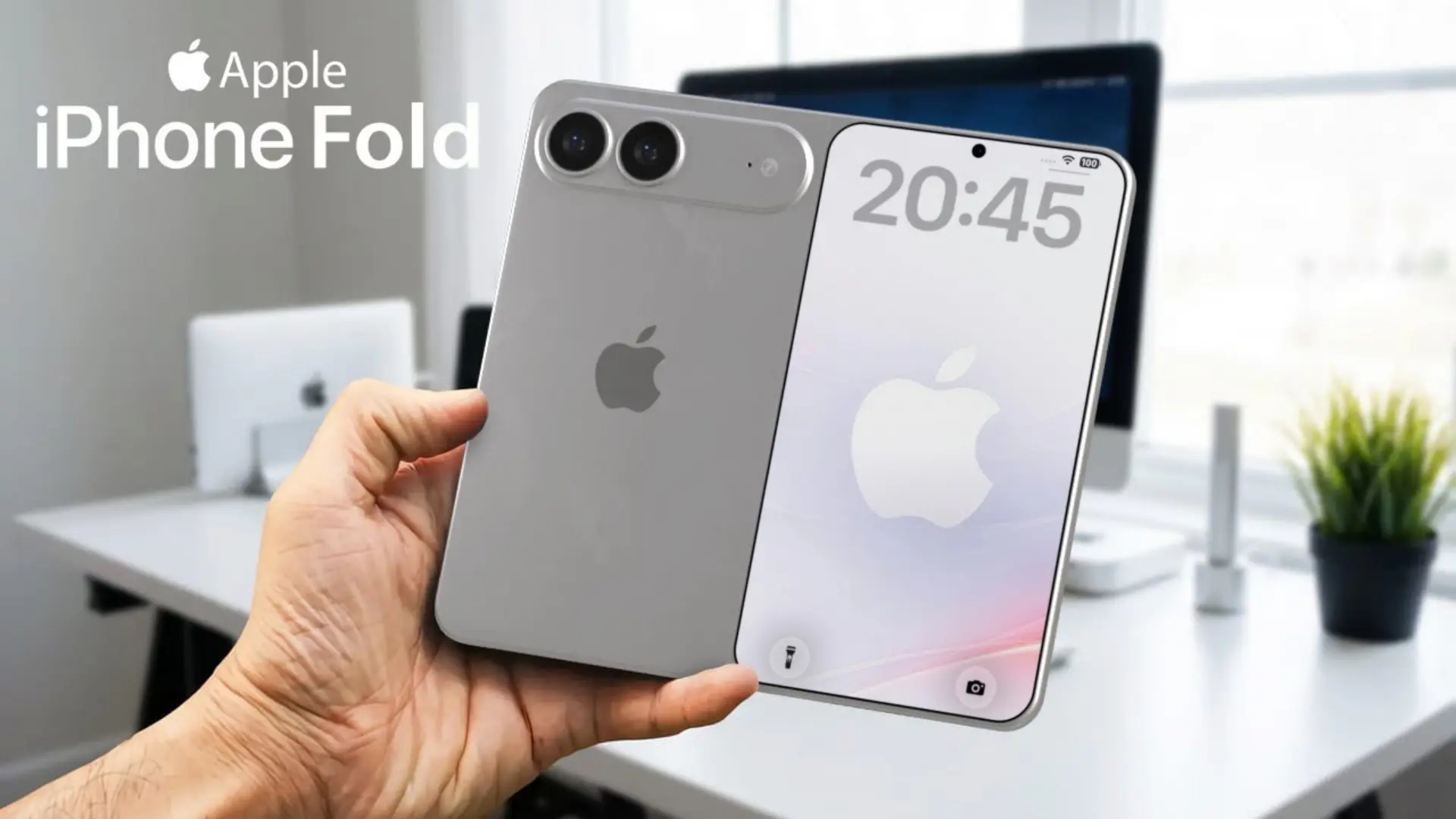
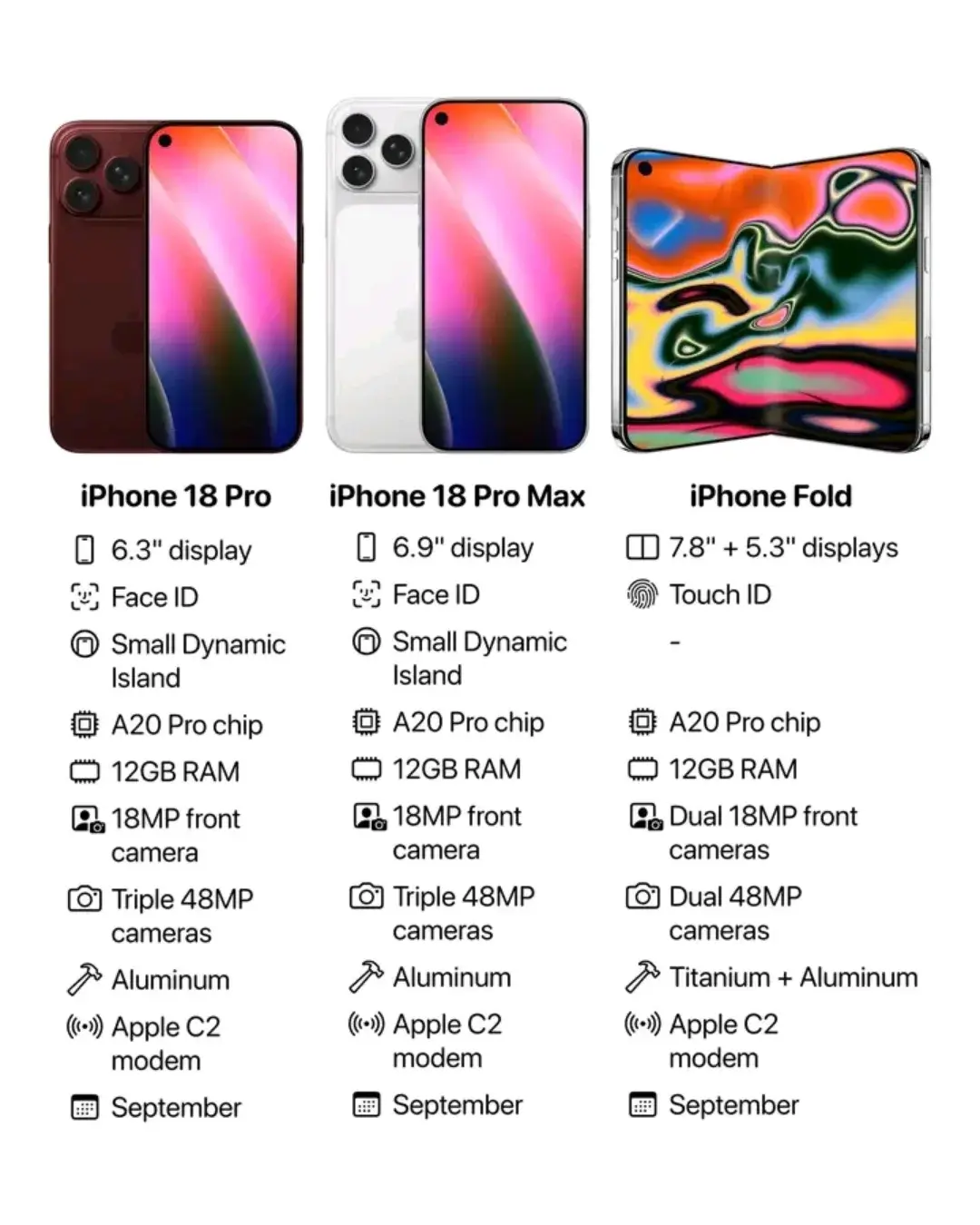
On January 16, technology outlet MacRumors published a report citing a recent investor note from analyst Jeff Pu. According to the briefing, Apple is expected to unveil its first-ever foldable smartphone, widely referred to as the “iPhone Fold,” in September. If accurate, this would mark Apple’s formal entry into the foldable phone market after years of speculation and industry anticipation.
The report suggests that the iPhone Fold will debut alongside the iPhone 18 Pro and iPhone 18 Pro Max during Apple’s traditional fall launch window. This timing would position the foldable model as a flagship-tier product rather than an experimental side release, reinforcing the idea that Apple intends to treat foldable devices as a core part of its premium lineup.
It is important to note that Apple has not publicly acknowledged the existence of an iPhone Fold. As with all pre-release information, the details discussed here are based on supply-chain analysis and investor research rather than official announcements.

A New “Phased Release” Strategy for iPhone
One of the more significant claims in Jeff Pu’s analysis is that Apple plans to adopt a new “phased release strategy” for its iPhone lineup. Under this approach, not all iPhone 18 models would be introduced in the same season.
Specifically, the report states that the standard iPhone 18 and the more affordable iPhone 18e will not be launched in the fall. Instead, these models are expected to arrive in the spring of 2027. This would represent a notable departure from Apple’s long-standing practice of unveiling its entire flagship lineup at once.
If implemented, this strategy could allow Apple to better manage manufacturing capacity, smooth out sales cycles across the year, and give premium models such as the iPhone Fold more room to stand out during the high-profile autumn launch event.

A20 Pro: Apple’s First 2nm Smartphone Chip
At the heart of the reported iPhone Fold is Apple’s next-generation A20 Pro chip. According to the investor note, the A20 Pro will be manufactured using TSMC’s new 2nm process, representing a major leap forward in semiconductor technology.
Compared with the A19 chip generation, the A20 Pro is said to deliver approximately a 15% improvement in performance and up to a 30% gain in power efficiency. While such figures should be treated cautiously until independently verified, they align with the broader expectations surrounding the transition from 3nm to 2nm manufacturing.
A move to 2nm would place Apple at the forefront of mobile chip design, potentially extending its long-running performance and efficiency advantage over competitors in the smartphone space.
WMCM Packaging and What It Means
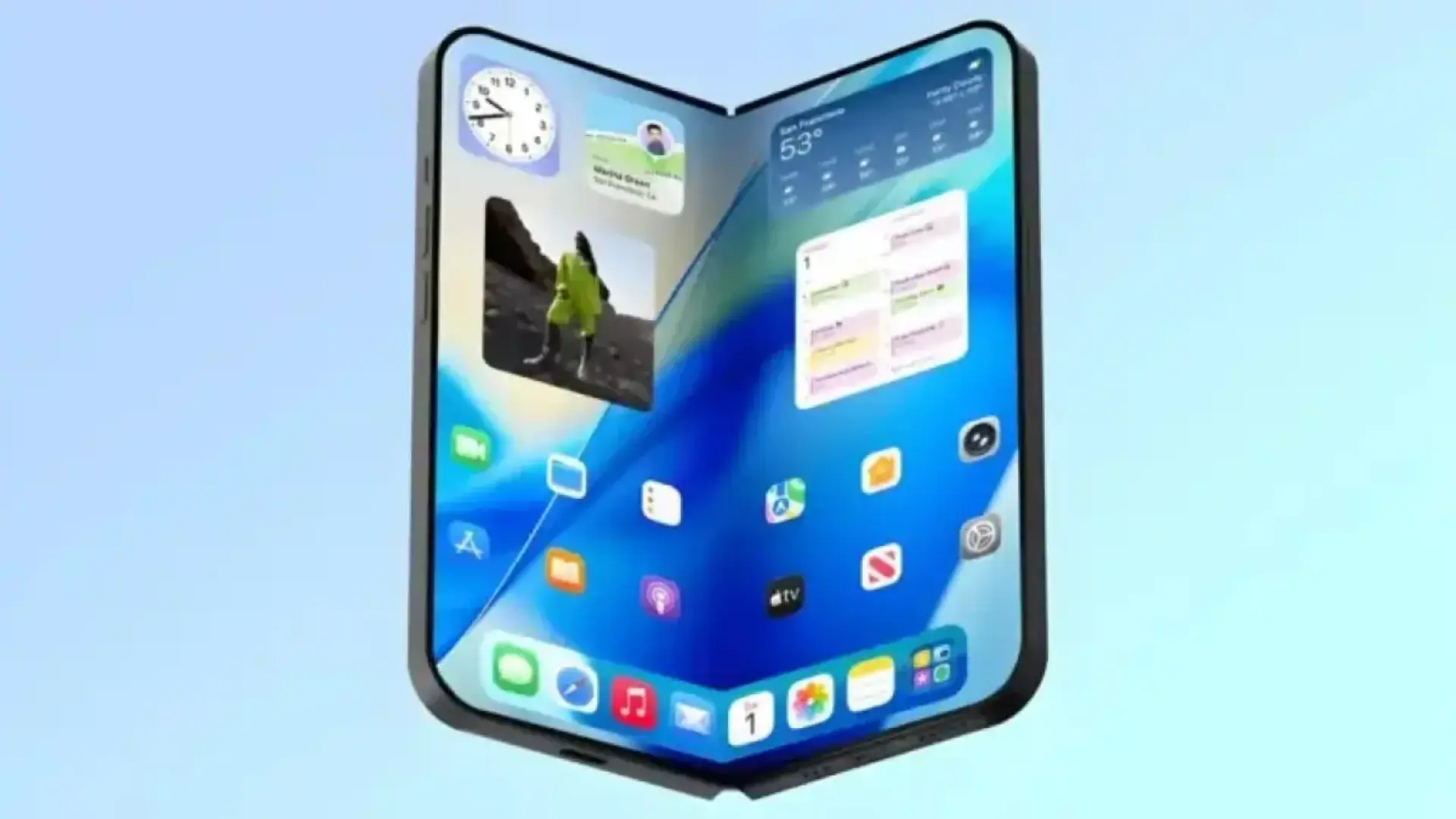
Another key technical detail highlighted in the report is Apple’s planned use of WMCM, or wafer-level multi-chip module, packaging technology for the A20 Pro. Unlike traditional designs that place memory next to the processor via a silicon interposer, WMCM allows memory, CPU, GPU, and NPU components to be integrated directly onto a single wafer.
This approach can reduce latency, improve energy efficiency, and shrink the overall footprint of the chip package. For a foldable device, where internal space is at a premium due to hinges, flexible displays, and complex mechanical structures, these savings could be especially valuable.
By freeing up internal space, Apple could allocate more room for battery capacity, thermal management, or other components that directly affect daily usability.
Implications for AI Performance and Battery Life
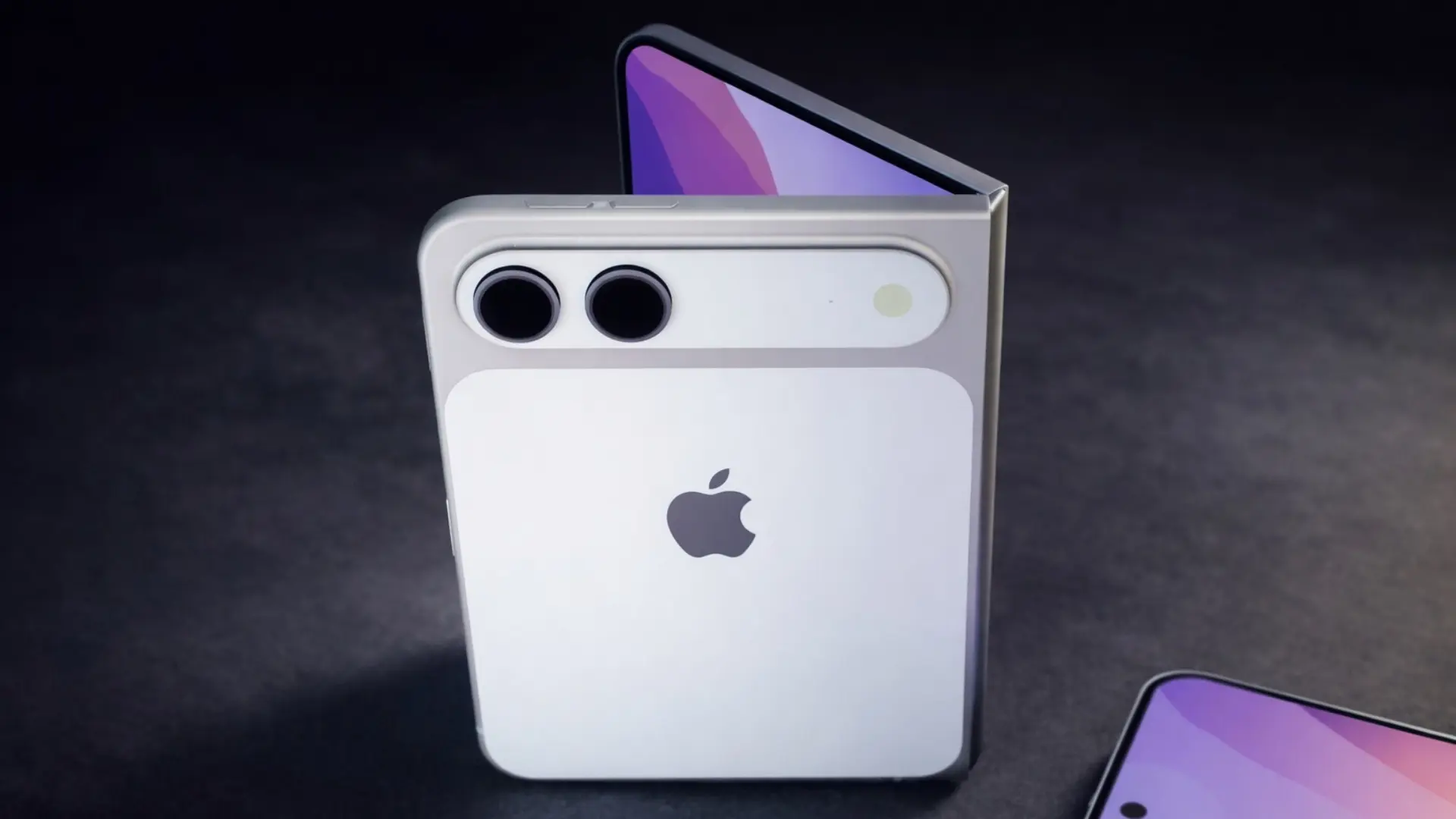
The report also emphasizes the potential AI benefits of the A20 Pro. With CPU, GPU, memory, and neural processing hardware more tightly integrated, the chip could offer stronger on-device AI performance without relying as heavily on cloud-based processing.
This would align with Apple’s broader direction toward privacy-focused, on-device intelligence. More efficient AI processing could enable advanced features such as real-time language understanding, image analysis, and contextual assistance while maintaining lower power consumption.
Improved energy efficiency is also expected to translate into longer battery life. For foldable phones, which often struggle with power consumption due to large displays, this could be a critical differentiator if Apple executes the design effectively.

Why a Foldable iPhone Matters for Apple
Apple’s entry into the foldable market would be significant not just from a product perspective, but also from a strategic one. While several Android manufacturers have released foldable phones over the past few years, the category remains relatively niche compared with traditional slab-style smartphones.
Apple is known for waiting until technologies mature before entering a market. A September launch window would suggest that Apple believes foldable hardware and software have reached a level of reliability and user experience consistent with its brand standards.
If the iPhone Fold does arrive as reported, it could help legitimize foldables for a wider audience and potentially accelerate adoption across the industry.

What Remains Unconfirmed
Despite the detailed nature of the report, many aspects of the iPhone Fold remain unknown. Apple has not confirmed the device’s final name, display size, hinge design, pricing, or availability across regions.
As with previous Apple products, final specifications and launch timing could still change. Investors and consumers alike should treat current information as informed speculation rather than established fact.
Conclusion
According to analyst commentary cited by MacRumors, Apple is preparing for a major shift in its iPhone strategy with the introduction of the iPhone Fold, a phased release schedule, and the debut of the 2nm A20 Pro chip. If these reports prove accurate, September could mark one of the most important iPhone launches in Apple’s history.
While many details remain unconfirmed, the combination of foldable hardware and next-generation silicon underscores Apple’s continued focus on long-term platform evolution rather than short-term iteration. As always, the industry will be watching closely for official confirmation later this year.